Book proposals, developmental editing, and ghostwriting
You know the book you want to write. Let’s get it right.
I’m David Moldawer. I started out acquiring and editing books at major publishers, and in the years since, I’ve helped experts develop the proposals and manuscripts that publishers buy. Through Bookitect, I work with a small number of nonfiction authors each year on book proposals, developmental editing, and full-book collaboration, including ghostwriting. I’m a book proposal writer, developmental editor, and ghostwriter for business and self-help authors.
The books
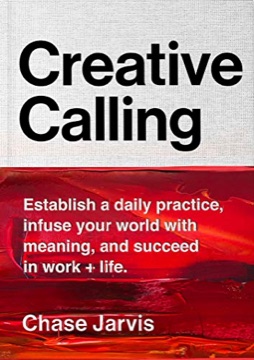
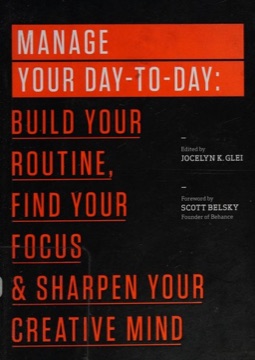
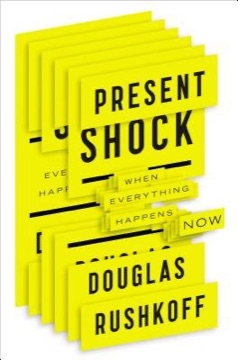
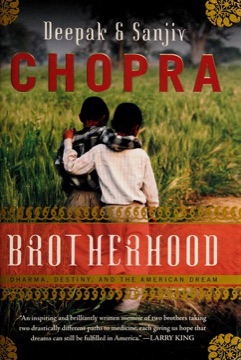
Books from my publishing career.
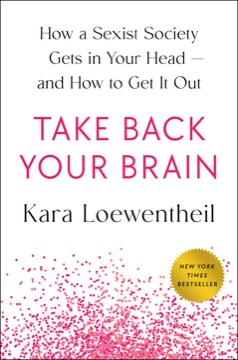
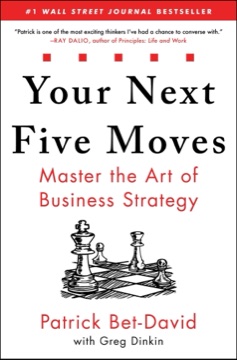
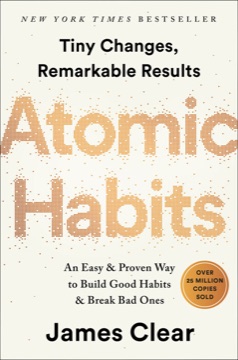
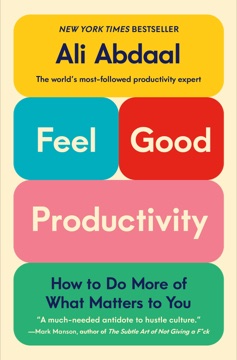
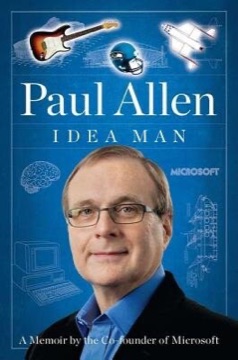
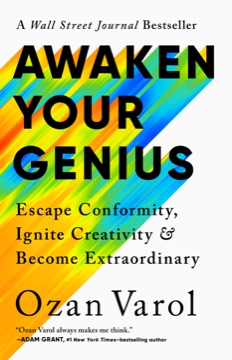
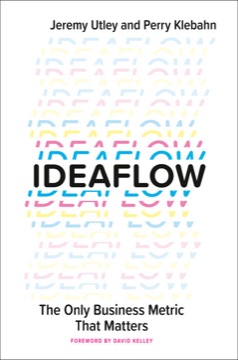
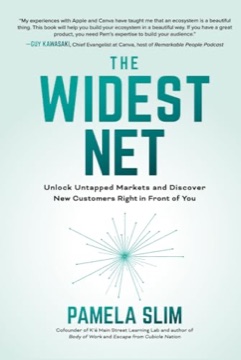
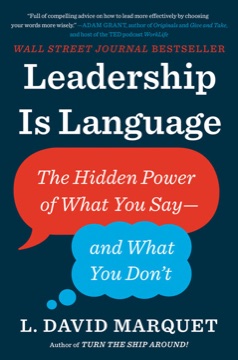
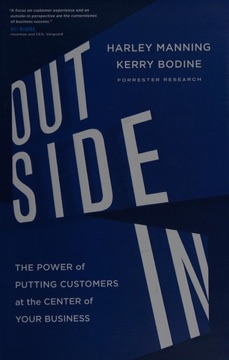
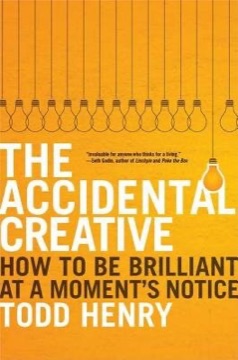
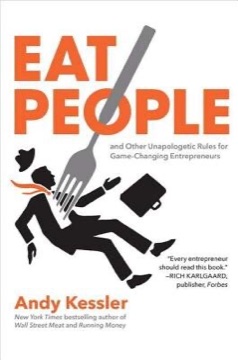
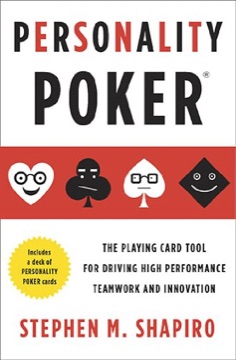
Over more than two decades in publishing, as an acquiring editor, a collaborator, and an agent, I’ve been involved with books like these. Once we’ve talked, I’m happy to send you the full list.





Who this is for
An educated author is my best client.
Bookitect is for experts who are ready to write. You know what your book is and why you’re the person to write it. You’ve tested the idea on real people (in talks, with clients, in a newsletter) and it holds up. And you have a platform that fits the subject: a business, an audience, or a reputation that will bring readers to the book when it comes out.
You’ve done your homework on publishing, too. You know publishers buy platform as much as prose, that the proposal is what sells the book, and that a good book takes real time, including yours. What you need is someone who has sat on the publisher’s side of the table and knows how your book will be read there.
One test I’d apply before anything else: would you buy a book by you on this subject? If the answer is an easy yes, we should talk.
If you’re still working out which book to write, or whether a book is the right next move, start with Moldawer Advisory Practice. That’s where we develop the idea and build the platform underneath it, so the book has something to stand on when it comes.
Proposals and books
The proposal is where the book gets decided.
Nonfiction sells on a proposal, and the proposal settles more than the deal. It fixes the title, the argument, the shape of every chapter, and the publisher’s sense of who you are. Everything you write afterward is built on it.
I start every project with the question I asked as an acquiring editor, with a publisher’s money on the line: what, exactly, is this book? Most authors arrive with more material than any one book can hold. I find the argument underneath it, give it a title and a structure that hold up, and write a proposal an editor can champion in an acquisitions meeting.
When the book sells, I can stay on for the manuscript, either as a developmental editor while you draft or as a full collaborator who interviews you, builds the structure, and writes the book with you. Either way, it sounds like you. That’s the first thing every client asks about, and it’s the right thing to worry about.
When I came to Dave for help on my book proposal, I had an unclear title, a mountain of loosely connected ideas, and no idea how to create a compelling book proposal. Thanks to his work, I landed in-person meetings with seven publishers and signed a major book deal with Penguin Random House.
James Clear, author of Atomic Habits
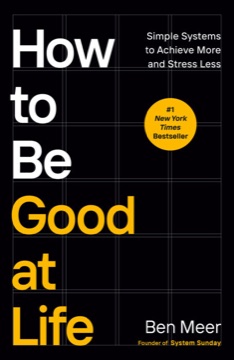
David Moldawer was the thought partner I needed to turn years of writing about systems into one big idea. He has rare judgment about which ideas are worth building on and how to frame them so that people take them seriously. His guidance was crucial to making How to Be Good at Life a #1 New York Times bestseller.
Ben Meer, author of the instant #1 New York Times bestseller How to Be Good at Life
David made an overwhelming process easy, and successful! He helped with structure, drafting, and editing, and I secured a mid-six-figure advance. David was worth every penny!
Kara Loewentheil, author of Take Back Your Brain
Developmental editing
You’re too close to your own book.
All of us are, me included. At a publishing house, the editor is the one person in the process who can tell an author “No, that’s not going to work” and make it stick. I learned the job in that seat, and that friction is still the most useful thing I can offer a writer.
A developmental edit is about purpose before punctuation. We look at what the book is trying to do and whether each chapter is doing it: the argument, the structure, the order of ideas, the places where a reader gets lost or needs a moment to breathe. I read the way your editor and your eventual reader will, then tell you plainly what’s working and what isn’t, with a recommendation for every problem I flag. I also work with publishers directly, on books they’ve signed, from the outline through delivery.
Your book, your call. You’ll just never have to wonder what I think.
David is a VERY good editor. World class. I was fortunate!
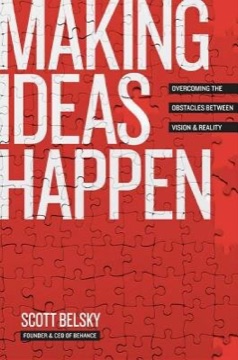
Scott Belsky, founder of Behance
I’ve worked with Dave on two books, and am eager to work with him on many more. Smart, insightful, generous, Dave is one of the best book editors that I’ve had a chance to work with.
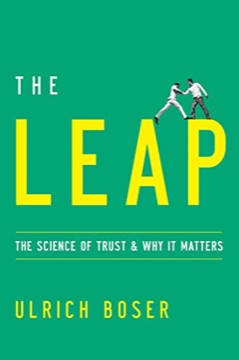
Ulrich Boser, author of Learn Better
In their words
What authors say.
David is an outstanding collaborator. His ability to help me take complex topics and turn them into compelling writing is amazing.
Perry Klebahn, Stanford professor, coauthor of Ideaflow
David was an incredible support: he took my thoughts and ideas and turned them into a marketable book proposal.
Dr. Emily Anhalt, author of Flex Your Feelings
Hiring David Moldawer for my book project was one of the best decisions I’ve ever made.
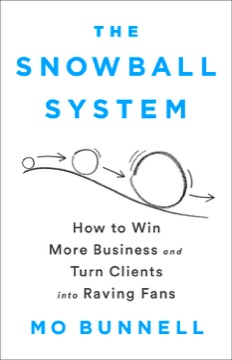
Mo Bunnell, author of The Snowball System
David exceeded all expectations and helped me turn my ideas into book form.
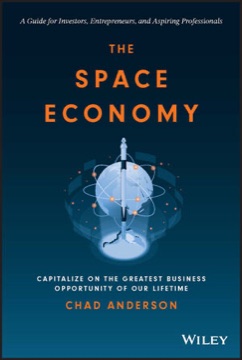
Chad Anderson, author of The Space Economy
David made my book much better through very careful and thoughtful editing.
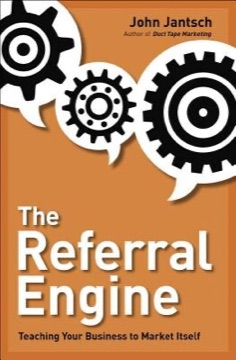
John Jantsch, author of The Referral Engine

About
David Moldawer
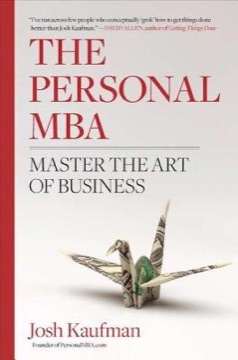
I founded Bookitect in 2015. Before that, I was an acquiring editor at St. Martin’s Press, Portfolio, McGraw-Hill, and Amazon Publishing, where I worked on bestsellers including Idea Man by Paul Allen, The Personal MBA by Josh Kaufman, and Making Ideas Happen by Scott Belsky. Since then I’ve developed book proposals for authors including James Clear (Atomic Habits), Ali Abdaal (Feel-Good Productivity), and Ben Meer (How to Be Good at Life). I also represent a select list of nonfiction authors as a literary agent (closed to submissions) and advise founders and executives through Moldawer Advisory Practice. I live in Montclair, New Jersey.
Every week I write The Maven Game, a newsletter on the craft of expertise.
Every time it lands in my inbox, I get giddy like a 6-year-old about to open a Christmas present.
Ozan Varol, on The Maven Game
Questions
Before you write to me.
What kinds of books do you work on?
Business, leadership, self-help, psychology, personal development, and popular science: prescriptive nonfiction that gives readers something they can use. My clients are founders, executives, academics, clinicians, and creators whose books feed something larger, like a business, a practice, or a speaking career.
What’s in a book proposal?
A nonfiction proposal is the document publishers buy from. A strong one runs fifty to seventy pages: an overview that states the argument and the promise, a section on your platform and how the book reaches readers, comparable titles and what they proved, a chapter-by-chapter outline, and one or two sample chapters.
Do you write the proposal, or do I?
I do, from long working sessions with you and from everything you’ve already written, recorded, and taught. You review every draft, and nothing goes to an agent or publisher that you can’t stand behind.
Do you ghostwrite books?
Yes. For authors who won’t be writing the book themselves, I collaborate on the full manuscript: interviews, structure, drafting, and revision, in your voice. You review every chapter as it’s written.
What is developmental editing?
Editing for the big things: the argument, the structure, the order of chapters, and the places a reader gets lost. It comes before line editing, and it’s where most of a book’s quality gets decided. I work with authors directly, and with publishers who want a second set of eyes on a book they’ve signed.
Do you use AI?
The writing is human. I use AI only as a tool, for things like transcription, research, and organizing notes, and only with tools that don’t train on client material.
Do I need a literary agent?
For a traditional deal with a major publisher, yes. Many of my clients already have one, and we work in parallel. If you don’t, I can suggest agents who fit the book. Hiring Bookitect doesn’t come with representation. I keep a small agenting list, it’s closed to submissions, and it’s separate from this work.
How much does it cost?
Every project is scoped and priced in writing after we talk. Professional help with a book is a serious investment, which is one reason I work with authors whose books serve something larger than the advance.
Next step
Tell me about your book
Write to me with a few lines about the book, who it’s for, and where you are with it. If it sounds like a fit, we’ll set up a call to talk it through.